


I have known Kris for quite some time now. Almost 10 years, believe it or not. We have worked together at the same marketing agency for some time and have had tons of fun doing it. She has always been a motivated, strong-willed person pursuing a dream. And today she is going to tell us the story about her latest goal that comes with a strong social impact.
Tell us a bit more about yourself and the dream you are chasing.
Hi, I’m Kris. I’ve been working in digital marketing for nearly 10 years. The last 5, with a leading role in a marketing agency, collaborating with brands from completely different industries. Today, I am a full-time owner of my time, consulting businesses in terms of marketing strategies, positioning, and effective use of social media channels. About a year and a half ago, I almost reached my breaking point. I realized I needed to dedicate more of my time and energy to something that felt more meaningful on a personal level. Something that could create an impact and leave a positive mark beyond the digital world.
Education has always been close to me in one way or another. My parents are teachers, so I grew up around conversations about schools, students, and the challenges within the educational system in Bulgaria. At the same time, for many years, I’ve been involved with my husband’s educational platform as a side project. I think all of this naturally led me to the dream I’m chasing now – creating change through education and improving the environment in which children grow up and learn.
How was the idea for your dream born and how has it developed over time?
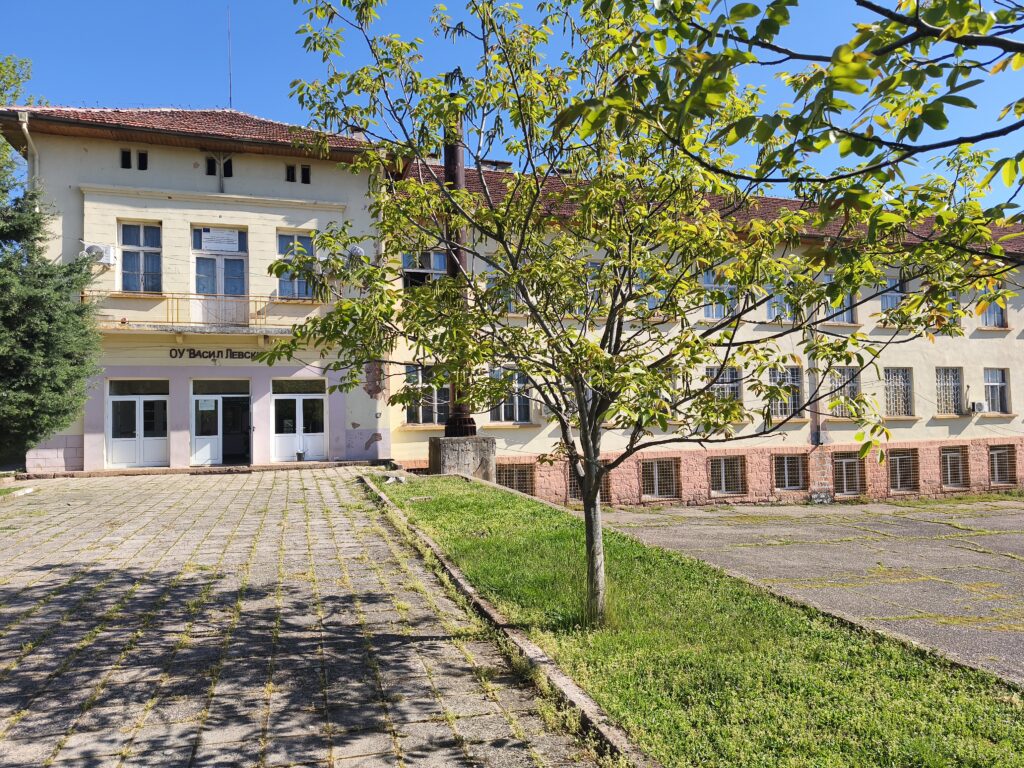
At the end of 2025, during the winter break, I visited a small school in Northwestern Bulgaria. This is the region where I’m originally from, but also the poorest one in the entire EU. The building was empty and freezing cold. Some of the windows were broken, the corridors felt abandoned, and everything looked almost post-apocalyptic. While I was there, I heard stories about children going to school with inadequate winter clothes – one child wearing two different shoes, another with a half-ripped jacket, and a 12-year-old boy whose hands looked like he had been doing physical labor for decades.
That experience stayed with me for a long time. I kept thinking about how easily situations like this have become “normal.” We often talk about education only in terms of grades, teachers, or the system itself, but we forget that for many children, school is also the place where they spend most of their childhood. It reminded me that Bulgaria is much more than the capital city. And this was the beginning of “Adopt a School”.
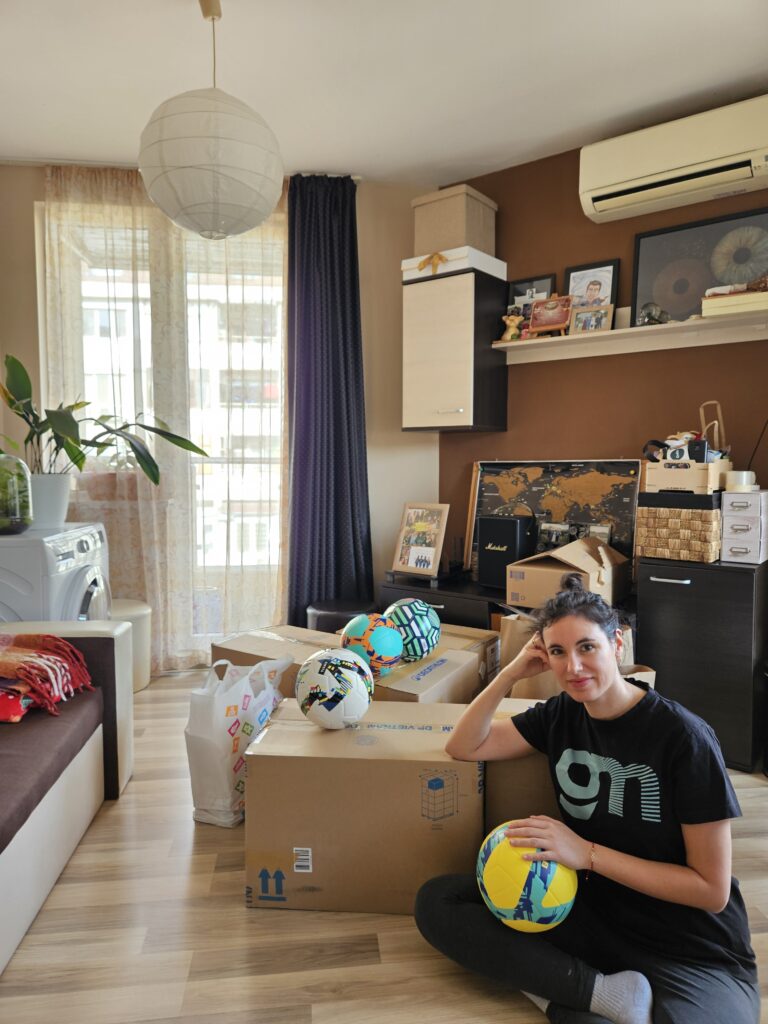
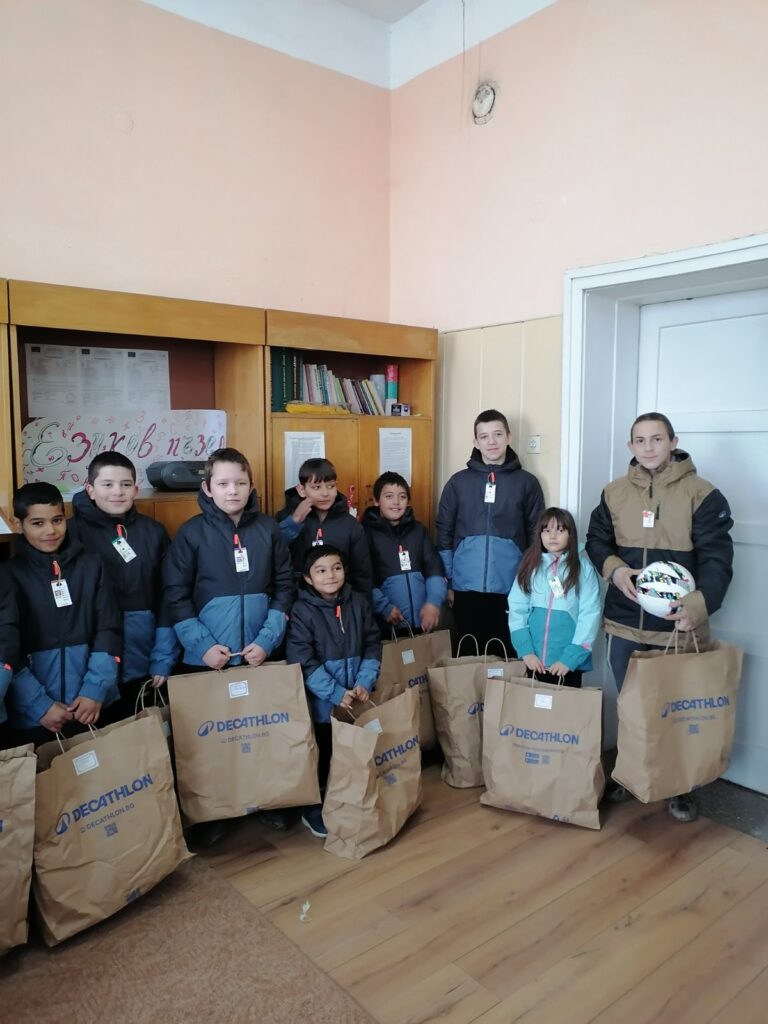
The campaign started within my closest circle of people, from something that may seem small from the outside: helping provide brand-new winter clothes for all 20 children studying at this school. But once you see that reality up close, you realize these things are never “small.” A warm jacket and proper shoes can make the difference between feeling cold and wet all day or simply being able to focus on being a child.
Over time, I also realized the problem goes far beyond clothing or supplies. The physical environment children learn in matters so much more than we admit. A neglected classroom, broken furniture, cold hallways – these things quietly shape the way children see themselves and their future.
What is your long-term vision for Adopt a School?
In the next few years, I would love to see “Adopt a School” grow into something sustainable and community-driven, not just a one-time campaign or a temporary initiative. One of the biggest goals right now is to move beyond helping with immediate needs and start focusing more on improving the actual school environment. By the end of 2026, my target is to see all four classrooms renovated, creating warmer and more functional spaces, and giving children a place that feels inspiring to learn in.
I think we often underestimate how much physical space affects motivation, confidence, and even a child’s sense of self-worth. When you spend years in neglected classrooms, broken environments slowly start to feel normal. I also hope the initiative can encourage more people and businesses to look beyond the big cities and become actively involved in smaller communities that are often forgotten. There are so many people willing to help – sometimes they just need a cause that feels right, transparent, and close to home.
What are the most important lessons you learned along the way so far?
One of the most important things I’ve learned is that people actually want to help much more than we think. The problem is that many have lost trust in where their help is going or whether it truly makes a difference. At the same time, I learned that you can’t change everything alone. But you can make other people believe that change is possible. Just looking at the first campaign and the nearly 200,000 views on TikTok showed me how strongly people connect with something real and honest when they can see the impact behind it.
I also like a lot the Kaizen philosophy – the idea that small, consistent improvements eventually lead to meaningful change. I try to apply this mindset in everything I do, and I think it applies to education as well. You don’t need a huge organization or unlimited resources to start making a difference. Many meaningful things begin with a small group of people who simply decide they no longer want to accept something as normal.
And probably the biggest lesson of all – honesty and transparency matter. People connect much more deeply with something real and imperfect than with something polished but emotionally distant.
How do you approach work-life balance while working on something so emotionally demanding?
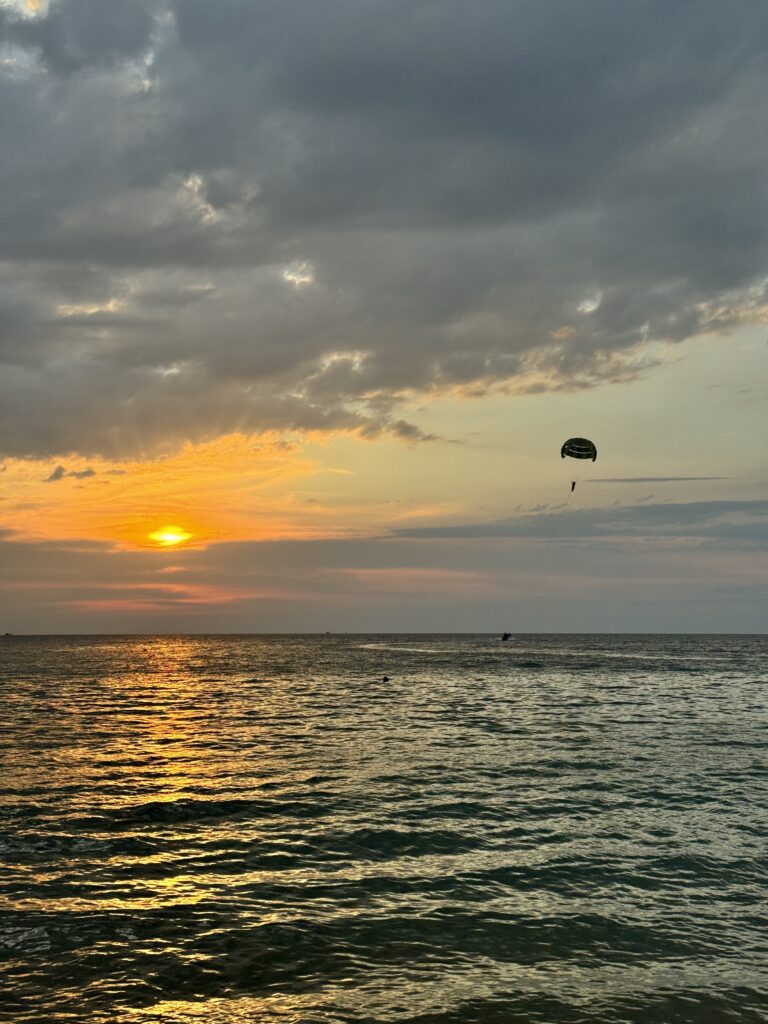
To be honest, this is still something I’m learning. About a year ago, I was very close to burnout. At some point, I had to completely step away for a while and disconnect. I spent some time in Thailand, mostly just slowing down, being offline, and giving myself the space to reset. It helped me clear my mind and regain perspective.
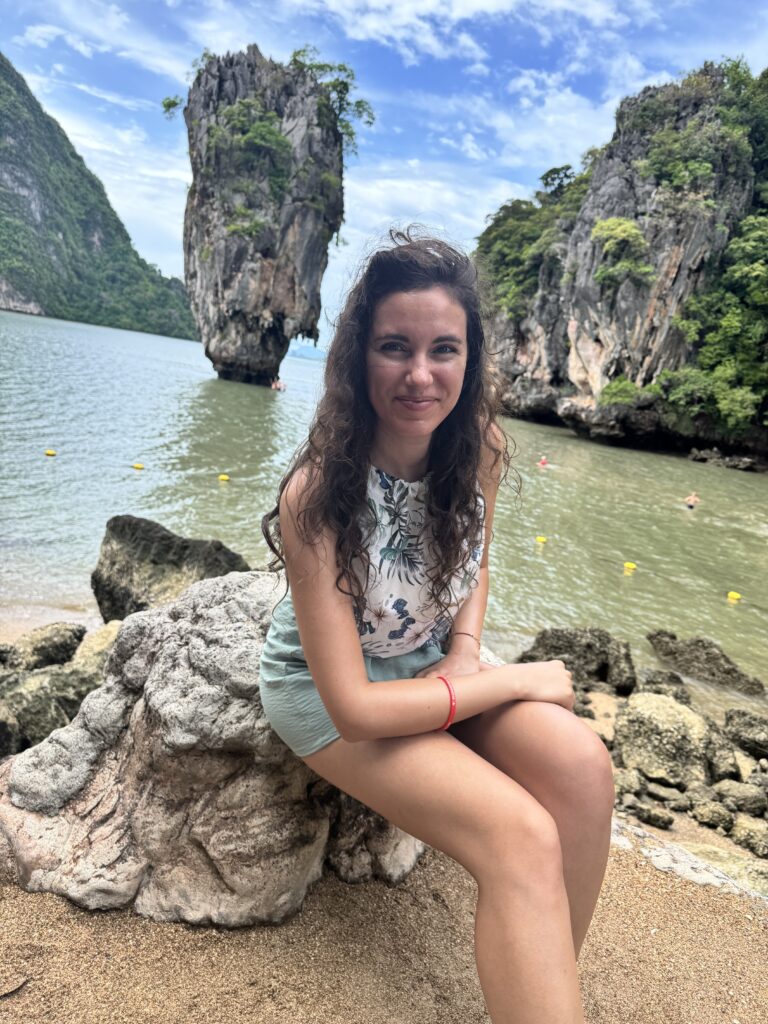
Before that, even when I was on vacation, I was never really “off.” When I worked at the agency, I used to pack my laptop first every time we traveled, and checking Slack notifications right after landing was just part of the routine. I was physically away, but mentally still fully in work mode. That wasn’t really a break.
Since then, I’ve become much more intentional about balance, and I don’t blame myself for not being constantly productive. There are days when I just stay on the sofa and watch movies, and that’s fine because the next day I have so much more energy that I can get things done three times faster. At home, I also make a conscious effort to stay present. I try to involve my husband in small everyday things like cooking dinner together, watching a movie, or simply spending time without distractions. Those moments help me step out of work mode and reconnect with normal life.
I don’t think balance is something you achieve once and for all. It’s more about constantly making efforts and making sure I don’t lose myself again in the process.
How do you take care of yourself – physically, emotionally, and mentally?
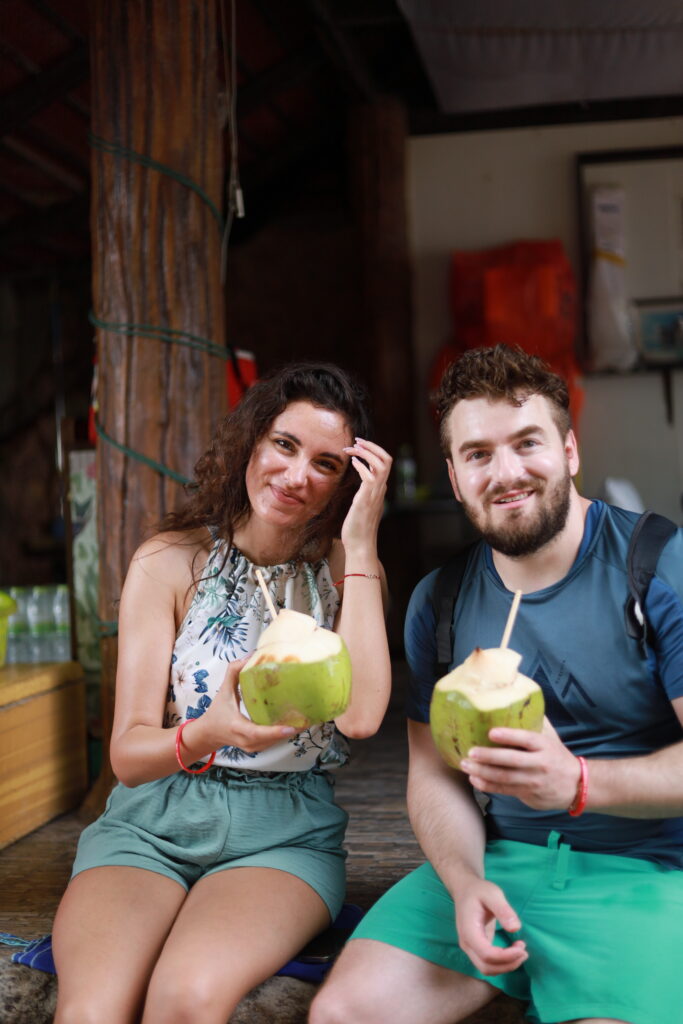
Travel is probably the main way I take care of myself physically, emotionally, and mentally. Over the past couple of years, we’ve made a conscious effort to take longer trips whenever possible, usually around a month at a time. So far, that has included places like Indonesia, Thailand, and Argentina. Being completely removed from my usual environment helps a lot.
When long trips aren’t possible, I try to create smaller breaks instead. You can’t fully switch off, but these short getaways or spontaneous ideas for a few days away can still make a big difference. So for me, it’s not just about rest, but about distance. I need moments where I’m completely out of my usual context (and time zone) in order to recharge properly and come back with a clearer mind.
What are your daily routines/habits that you believe contribute to your success?
Success is a tricky word for me. I don’t like thinking in those terms. What I do focus on instead is consistency and clarity. I try to keep a simple structure in my day that allows me to get things done without feeling overwhelmed. I choose one big task and several smaller ones. If I don’t feel creative, but that’s the task I have on my Notion list, I just switch it with something else.
One habit that helps a lot is writing things down immediately when I think of them. Otherwise, I tend to lose track of ideas very quickly. My phone is full of screenshots and random notes but they all make sense when they have to. And finally, as I said earlier, I try not to romanticize productivity. Some days are very productive, others are not, and I’ve learned that both are part of the process.
What would you say are the three principles or qualities that can help a person make their dreams come true?
I don’t think there is a universal formula for “making dreams come true,” but there are a few principles that I keep coming back to. First is consistency over intensity. Most meaningful things are built through small and steady actions over time. It’s very easy to start something with a lot of energy, but it’s much harder to keep showing up when things become less exciting.
Second is starting before you feel ready. If you wait for perfect conditions, perfect timing, or perfect confidence, most ideas will never leave your head. In business and in marketing, not having a plan or strategy usually means you’re lost. But when I started “Adopt a School,” I realized that not everything begins with a plan. I simply turned to my husband and said, “Let’s do it,” without even knowing how far we would get.
And third – and maybe most important – is building with people. You don’t need to have everything figured out by yourself; you need to create something that others can believe in and contribute to. Share it with people you trust, listen to feedback, and let it evolve through others as well.
What would you say to the people who are still hesitant to chase their dreams?
If you don’t chase your dreams, someone else will.